Thoughtful support for urinary and kidney wellness.
Personalised Ayurvedic wellness guidance for urinary concerns, shaped around your symptoms, health history, hydration, lifestyle and individual needs.
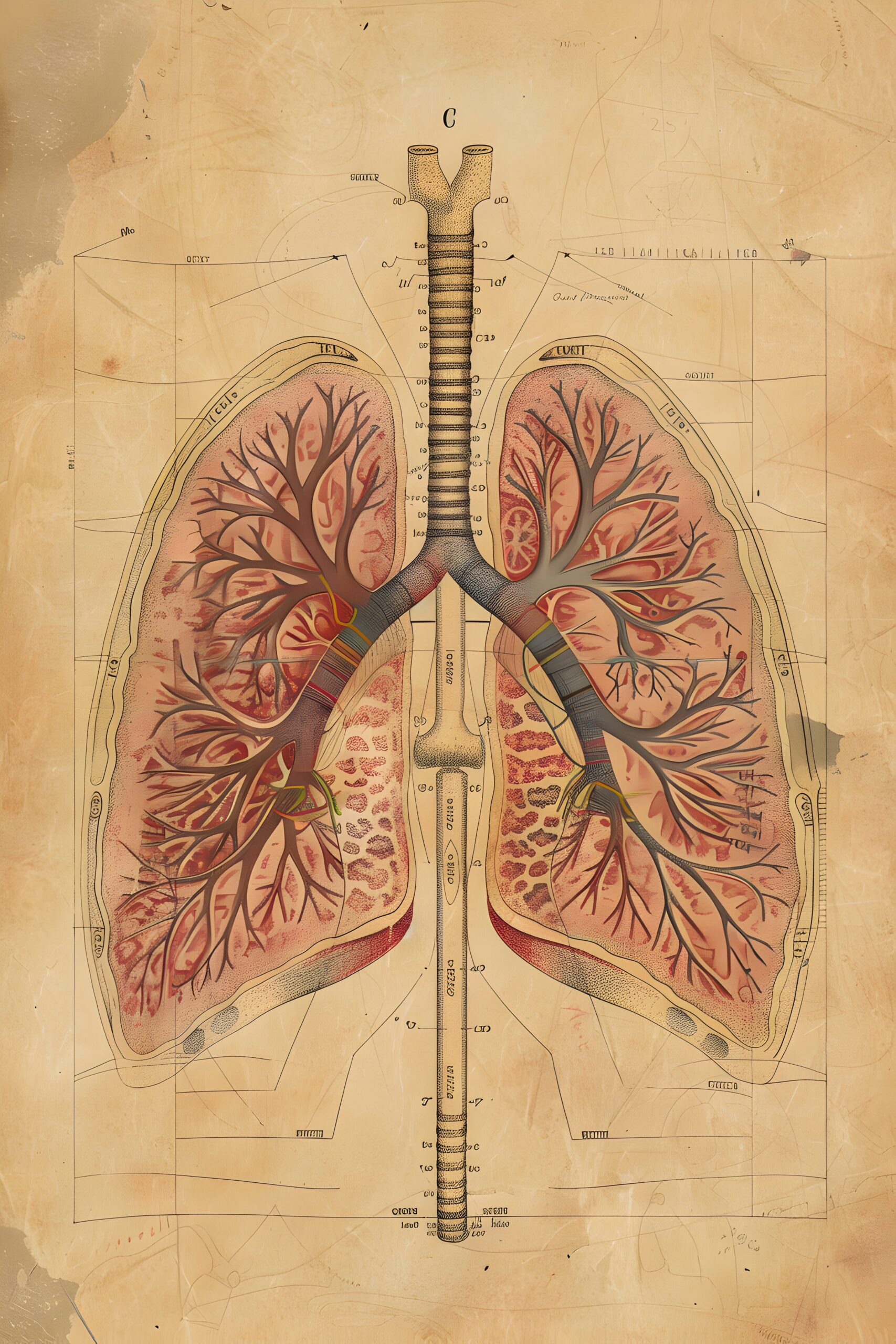
Support for everyday urinary comfort and overall wellbeing.
Urinary health deserves timely attention. Your consultation considers symptoms, hydration, food habits, daily routine, medical history and current treatment.
Urinary Retention Support
Complementary wellness guidance alongside appropriate medical assessment and treatment.
Burning Urination
Supportive guidance for recurring urinary discomfort after medical causes have been assessed.
Frequent Urination
Personalised wellness support for urinary frequency and related daily concerns.
Kidney Stone Support
Complementary lifestyle guidance alongside urologist-led evaluation and stone treatment.
UTI Wellness Support
Guidance that complements prompt medical treatment for suspected urinary infections.
Prostate Wellness
Supportive lifestyle guidance for men’s urinary health alongside medical screening.
Kidney Health Awareness
Everyday wellness guidance that supports healthy routines and medical monitoring.
Urinary Wellness
Build practical habits that support hydration, routine and everyday comfort.
Guidance based on your complete health picture.
We consider your symptoms, hydration, diet, sleep, medical reports, medication and daily routine before suggesting appropriate Ayurvedic wellness guidance.
Important safety note
Seek urgent medical help if you cannot pass urine, have severe side or back pain, fever or chills, blood in urine, vomiting, swelling, confusion, or a major reduction in urine output.
Detailed health discussion
We understand your symptoms, duration, fluid intake, daily routine, medical history and current treatment.
Constitution assessment
Your Prakriti and current imbalance patterns are assessed using Ayurvedic principles and Nadi Pariksha where appropriate.
Personalised guidance
You receive practical recommendations for food, routine and Ayurvedic medicines when suitable.
Clear next steps
A structured plan helps you follow the guidance while continuing appropriate medical care and monitoring.
Practical guidance for daily urinary wellness.
Hydration guidance
Discuss practical fluid and daily-routine habits suitable for your health needs and medical advice.
Lifestyle support
Receive guidance on food, sleep, stress and everyday habits that support overall wellbeing.
Complementary care
Ayurvedic wellness support designed to work alongside your doctor’s assessment, treatment and monitoring.
Urinary and kidney wellness FAQs
Can Ayurveda treat kidney disease or urinary retention?
Kidney disease and urinary retention need proper medical evaluation. Ayurvedic wellness guidance may complement your overall care, but it must not replace a doctor’s diagnosis, prescribed treatment or emergency care.
Should I continue medicines prescribed by my doctor?
Yes. Continue prescribed medicines exactly as directed. Do not stop, reduce or change any kidney, prostate, diabetes or blood-pressure medicine without speaking to your treating doctor.
Do I need reports before booking?
Reports are not required to book, but recent urine tests, kidney-function reports, ultrasound scans, prescriptions and other relevant records can help provide more informed guidance.
When should I get urgent medical help?
Seek urgent medical help if you are unable to urinate, have severe pain, fever or chills, blood in urine, vomiting, swelling, confusion or very little urine output.
Take a thoughtful step towards urinary and kidney wellness.
Book a personalised consultation with Dr. Vivek Ahuja for guidance shaped around your health history, symptoms and daily routine.
Book Your Consultation